Source Hooded Poncho Emergency Raincoat for Riding, Walking, and Outdoor Work
Find and compare 30 hooded poncho emergency raincoat options for riding, walking, and outdoor work. Evaluate materials like PE and polyester, customization services, and packaging standards to select the right protective gear for your needs.
Key considerations
Products List


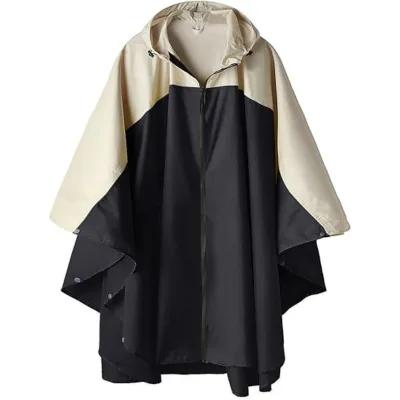


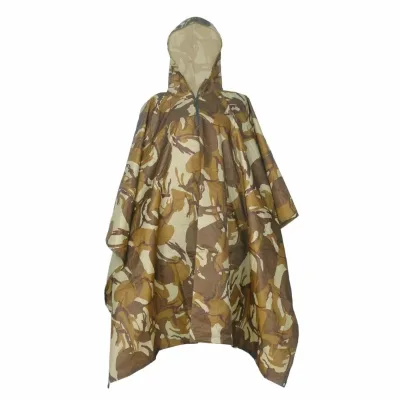


Comprehensive Sourcing Guide
Hooded Poncho Emergency Raincoat Sourcing Guide
The global demand for hooded poncho emergency raincoats has expanded significantly as outdoor industries and emergency preparedness sectors seek lightweight, single-use, or reusable protection against inclement weather. These garments serve a dual purpose in the market, functioning as disposable safety gear for mining, fishing, and agricultural operations while also serving as durable, reusable cycling or walking apparel for general outdoor enthusiasts. Buyers must distinguish between these distinct product categories, as the material composition, intended lifespan, and performance requirements vary drastically between a disposable polyethylene emergency blanket and a woven polyester cycling cloak.
Procurement strategies for this category require a clear definition of the end-use scenario before engaging with suppliers, as the specifications for a disposable emergency poncho differ fundamentally from those of a reusable raincoat designed for long-term wear. The observed market data indicates a wide spectrum of options ranging from single-use PE and aluminum foil emergency blankets to high-performance, breathable polyester cloaks with custom branding capabilities. Understanding whether the procurement goal is immediate emergency coverage or sustained outdoor work protection is the first critical step in defining the technical and commercial requirements for the sourcing project.
Product Scope and Observed Listing Signals
The product scope for hooded poncho emergency raincoats encompasses a diverse range of styles, from simple ponchos and cloaks to specialized cycling rainwear, each defined by specific material and feature sets. Listings frequently highlight the "Poncho" or "Cloak" style, with materials ranging from basic Polyethylene (PE) for disposable applications to 100% Polyester for reusable, durable options. Buyers should note that while some products are explicitly marked as "Disposable," others are designed as "Non-Disposable" with features like quick-dry technology, windproofing, and breathability, which are essential for extended outdoor use in mining, farming, or cycling environments.
Listing signals also reveal significant variation in customization capabilities and packaging standards, which directly impact the suitability of a product for specific procurement needs. Some suppliers offer extensive customization services, including custom logo printing, size adjustments, and color designs, often packaged in standard export packaging or specific emergency waterproof blanket configurations. Conversely, other listings focus on standardized models with fixed dimensions, such as the 5080" (127203cm) emergency standard or specific model numbers like AN-L-001 and CT2025071803, indicating a need for buyers to verify if the product supports their branding or sizing requirements before placing an order.
Technical Specifications to Verify
When evaluating technical specifications, the material composition is the primary differentiator between disposable emergency gear and reusable outdoor apparel. Buyers must verify whether the shell material is Polyethylene (PE), which is typical for lightweight, single-use emergency blankets, or 100% Polyester, which offers the durability and breathability required for reusable cycling or working raincoats. The presence of reflective strips is another critical specification to confirm, as some listings indicate products are available both with and without reflective strips, a feature that is often mandatory for safety compliance in mining, fishing, and road work applications.
Further technical verification should focus on closure types, seam construction, and dimensional standards to ensure the product meets the physical demands of the intended application. Specifications such as zipper closures, seamless fusing, and specific clothing lengths (e.g., "Long") are vital for ensuring adequate coverage and protection against wind and rain. Additionally, buyers should confirm the standard dimensions, such as the 5080" (127203cm) size for emergency blankets or the M-3XL size range for reusable garments, to ensure the fit aligns with the target user demographic, which is consistently listed as adults across the observed product range.
Compliance and Safety Documentation
Compliance and safety documentation for hooded poncho emergency raincoats often involve certifications that validate the manufacturer's adherence to social and environmental standards, though specific product safety certifications may vary by region and application. Some suppliers list certifications such as BSCI and ISO, which indicate a commitment to ethical manufacturing practices and quality management systems, providing a baseline of trust for buyers sourcing from regions like Jiangxi and Fujian in China. However, buyers should not assume that all listed products automatically carry these certifications or that they cover specific product safety tests unless explicitly confirmed in the supplier's documentation.
Safety documentation must also address the specific hazards associated with the product's end-use, particularly for applications in mining, fishing, and outdoor working environments where visibility and material integrity are paramount. While some products are marketed with features like "Waterproof/Windproof/Durable," these are functional attributes that require verification through test reports rather than relying solely on marketing claims. Buyers should request evidence of material testing for waterproofing and durability, especially for reusable garments intended for heavy-duty use, to ensure the product can withstand the rigors of the intended environment without failing.
Cost Drivers and Commercial Terms
Cost drivers for hooded poncho emergency raincoats are heavily influenced by the material type, customization level, and order volume, creating a wide price range from $0.15 to $27.60 per unit depending on the specific product configuration. Disposable PE emergency blankets generally command lower unit costs due to their simple construction and single-use nature, whereas reusable polyester raincoats with features like seamless fusing, custom logos, and specialized packaging incur higher production costs. Buyers must analyze the total cost of ownership, considering that a higher initial unit price for a durable, reusable poncho may result in significant savings over time compared to repeatedly purchasing disposable alternatives.
Commercial terms, including Minimum Order Quantities (MOQ) and lead times, vary significantly across the market and must be negotiated based on the specific product requirements. Observed MOQs range from 10 units for small trials to 5,000 units for large-scale production, with some suppliers offering negotiable terms starting at 500 pieces for custom orders. Sample lead times typically range from 5 to 10 days, though some suppliers may not support 7-day sample orders, requiring buyers to plan their procurement timeline accordingly. Understanding these commercial constraints is essential for aligning the order with budget cycles and delivery schedules, particularly for emergency stock replenishment or seasonal outdoor gear launches.
Supplier Qualification and Quality Control
Supplier qualification for this category requires a thorough assessment of the manufacturer's location, production capabilities, and ability to deliver consistent quality across different product lines. The observed supply base is concentrated in China, with specific origins noted in Jiangxi and Fujian provinces, regions known for their textile and plastic manufacturing expertise. Buyers should verify the supplier's capacity to handle both standard and customized orders, ensuring they have the technical infrastructure to produce items with specific features like custom logo printing, varied sizes, and distinct material compositions without compromising quality.
Quality control processes must be rigorously defined to ensure that the final product meets the specified technical and safety requirements, particularly for reusable garments intended for professional use. Buyers should implement a quality control plan that includes pre-production sample approval, in-process inspections, and final random inspections to verify attributes such as seam integrity, waterproofing performance, and the accuracy of custom branding. Given the variation in product features, from disposable emergency blankets to durable cycling cloaks, the quality control criteria must be tailored to the specific product type to prevent defects that could compromise safety or user satisfaction.
Long-Term Procurement Checks
Long-term procurement checks for hooded poncho emergency raincoats should focus on the supplier's ability to maintain consistent product quality and supply chain stability over time. Buyers need to establish a framework for periodic audits and performance reviews to ensure that the supplier continues to meet the agreed-upon specifications, including material standards, customization accuracy, and delivery timelines. This is particularly important for reusable products where durability and performance are critical, as any degradation in quality over time could lead to increased replacement costs and potential safety liabilities.
Sustainability and adaptability are also key considerations for long-term procurement, as market demands for eco-friendly materials and specialized safety features may evolve. Buyers should monitor the supplier's ability to adapt to new standards, such as updated environmental regulations or changes in safety certifications, and ensure they can source alternative materials if necessary. By maintaining a proactive approach to supplier relationship management and regularly reviewing product performance against market benchmarks, buyers can secure a reliable supply of hooded poncho emergency raincoats that meets their evolving operational needs.
FAQs
What materials are used for hooded poncho emergency raincoats?
These raincoats are typically made from PE or 100% Polyester. PE versions often feature emergency waterproof blanket designs with aluminum foil for thermal retention. Polyester options provide durable, breathable, and quick-dry performance suitable for repeated outdoor use and cycling activities.
Can I customize the logo and size of these rain ponchos?
Yes, customization is available for both emergency and reusable styles. Suppliers offer custom logo printing, size adjustments, and color designs. You can request specific dimensions or branding to meet your organizational needs, with sample times typically ranging from 5 to 10 days for approval.
What is the typical MOQ for ordering these raincoats?
MOQs vary by product type. Emergency PE ponchos may start at 10 units, while reusable polyester cycling ponchos often require 500 pieces. Some suppliers negotiate MOQs based on volume. Always verify the specific minimum order quantity with the manufacturer before finalizing your procurement plan.
Are these ponchos suitable for outdoor work and riding?
Yes, many models are designed for riding, walking, and outdoor work. Features include waterproof, windproof, and durable construction. Some styles include reflective strips for visibility during mining, fishing, or farm work. Ensure the selected model matches your specific activity requirements for safety and comfort.
What certifications do these raincoat manufacturers hold?
Manufacturers often hold BSCI and ISO certifications to ensure ethical and quality standards. These credentials verify compliance with international supply chain requirements. Buyers should request specific certificate copies during the sourcing process to confirm that the supplier meets your corporate social responsibility and quality assurance policies.
How long does sample production take for these items?
Sample lead times generally range from 5 to 10 days depending on the supplier. Some emergency blanket styles may have faster turnaround, while custom polyester designs require more time for printing and assembly. Confirm the exact sample time with the vendor to align with your project schedule.